
Where Rats Thrive:Environments They Favor
Where Rats Thrive: Environments They Favor
Environments Rats Favor
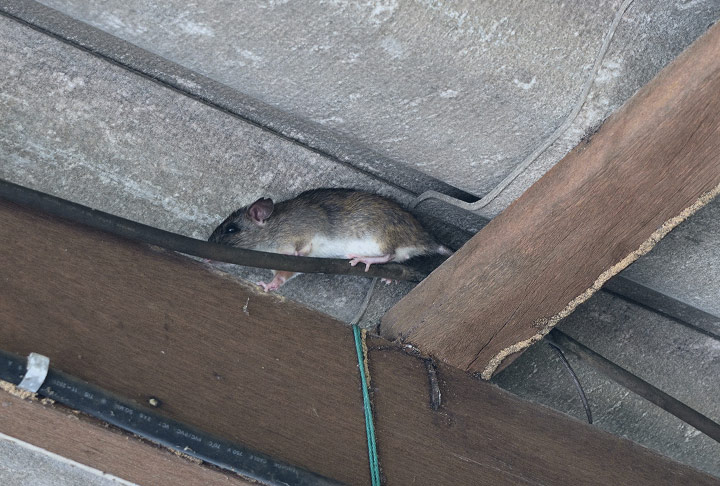
Rats prefer places that are warm, dark, and out of sight. Areas such as under floors, inside attic spaces, the back of warehouses, and behind stored materials are extremely comfortable environments for rats.
Rat Diet and What They Feed On
Rats are omnivores, feeding on a wide variety of things including grains, animal feed, kitchen scraps, and food waste. They will readily consume not only human food but also pet food and livestock feed.
It is also said that rats eat roughly one-third of their own body weight in food per day — in short, they eat a great deal. The more plentiful the food source, the more likely they are to settle in and stay for the long term.
Livestock facilities and pig farms that handle feed are particularly attractive environments for rats, and require special attention.
Why Rats Infiltrate Human Living Areas and Livestock Facilities
The main reasons rats move into human living areas and livestock facilities are the availability of food, places to hide, and the absence of natural predators.
Areas that are not well managed, or where many objects are stored, become safe and comfortable shelters for rats.
Hygiene Risks Posed by Rats
Rats do more than just gnaw on objects — they also carry mites, fleas, pathogens, and viruses. They can spread bacteria through their bodies, droppings, and urine, creating deteriorating sanitary conditions and a risk of infectious disease.
In livestock facilities, this poses a serious concern for both animal health management and hygiene control. Left unchecked, rat infestations can lower the overall sanitary level of a facility and lead to unexpected and costly problems.
Summary: Understanding Rat Ecology Is the First Step
Rats are remarkably cunning animals with a high capacity for environmental adaptation and an extremely strong reproductive drive. For this reason, taking measures without a proper understanding of their behavior often fails to achieve the desired results.
By correctly understanding the characteristics, behavior patterns, and preferred environments of rats, it becomes possible to implement effective and efficient pest prevention measures.
In the next article, we will take a closer look at specific points to consider in livestock facilities — including pig farms.