
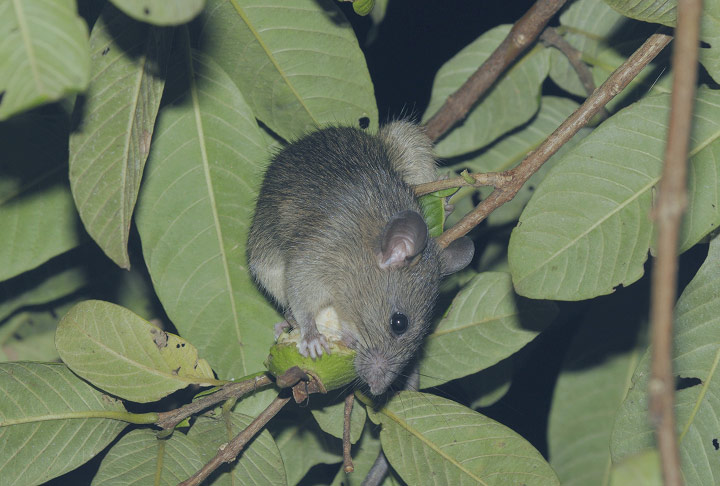
Rat Damage & Economic Impact
Introduction: Rat Control in Livestock Facilities Requires a Strategy
Pig farms and other livestock facilities offer ideal conditions for rats to thrive: a ready food supply, plenty of places to hide, and limited human oversight. As a result, rats often become established without anyone noticing, allowing damage to spread significantly before action is taken.
A reactive approach of "exterminate when spotted" simply cannot keep up with rat populations. What is needed instead is a planned, strategic approach to pest control — one that takes into account the structure and environment of the facility, as well as rat behavior. This page focuses primarily on pig farms and examines the realities of rat damage in livestock settings, along with key considerations for building an effective control strategy.
Rat Species That Infiltrate Pig Farms and Their Characteristics
Common Rat Species Found in Pig Farms
The three rat species most commonly causing problems in pig farms are the brown rat, the black rat, and the house mouse. Collectively referred to as "commensal rodents," these species readily infiltrate human-occupied environments and tend to cause significant trouble. Each has its own characteristics and distinct behavior patterns, so understanding the differences is essential when planning a control strategy.
Brown Rat: Traits and Issues in Pig Farms
The brown rat is a large species that tends not to fear humans. It favors areas near water, making it closely associated with manure and urine processing equipment, drainage channels, and wastewater systems.
In pig farms, brown rats often burrow into bare ground, grassy areas, or drainage embankments around the pig house, where they build up their numbers out of sight. Poor drainage management can quickly turn these areas into prime rat habitat.
Black Rat: Traits and Issues in Pig Farms
The black rat is one of the most commonly encountered species in pig farms. It is highly cautious, fast-moving, and excels at navigating three-dimensional spaces.
It readily moves into elevated areas such as attic spaces, behind insulation, above ceiling panels, and inside ventilation ducts — places that are difficult for people to monitor. This makes it particularly hard to control, and it is common for damage to have already spread by the time it is discovered.
House Mouse: Traits and Points to Watch
The house mouse is a small species capable of squeezing through extremely narrow gaps. Living in a semi-wild state, it readily finds its way into feed stores and materials warehouses.
Its small size makes it easy to overlook, but its high reproductive rate means numbers can increase rapidly — so it should never be underestimated.
The Reality of Rat Damage: Economic and Hygiene Losses
Economic Loss: Feed Damage, Contamination & Torn Bags
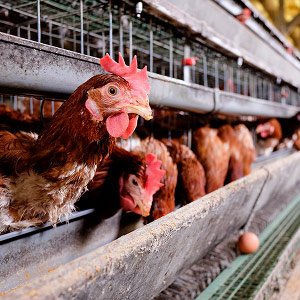
Rats are said to consume roughly one-third of their own body weight in food per day. With the average brown rat weighing around 300g, a single rat can consume a considerable amount of feed on its own.
When scaled up to the size of a livestock operation, the extent of this damage becomes even clearer.
For example, in a poultry house with 10,000 laying hens, assuming a feed price of ¥40,000 per tonne, the following levels of feed damage may occur depending on rat population density:
- Population density below 10% (approx. 500 rats): approx. ¥2,000 in feed loss per day
- Population density up to 20% (approx. 1,000 rats): approx. ¥4,000 in feed loss per day
- Population density above 20% (approx. 2,000 rats): approx. ¥8,000 in feed loss per day
Even a few thousand yen per day adds up to a significant sum over a month or a year. On top of direct consumption, additional losses arise from feed being contaminated or bags being torn open — meaning the actual financial impact is often even greater.
Feed losses from rats are difficult to see directly, which means they may be quietly eroding profitability without the farm operator ever realizing it.
Equipment Damage: Wiring & Machinery Failures
Rats gnaw on a wide variety of materials to wear down their constantly growing teeth. Among the most serious consequences is the gnawing of electrical wiring, which can cause short circuits and equipment failures.
Rat-related wiring damage has been implicated in the shutdown of windowless pig house ventilation systems on more than one occasion. Wiring failures not only halt equipment operation — they also carry a significant risk of fire, making this a particularly serious concern.
Hygiene Loss: Transmission of Pathogens & Parasites
Rats can transmit pathogens such as Salmonella. In cases where stunted growth in pigs occurs frequently without an obvious cause, rat involvement may need to be considered as a contributing factor.
Rats also carry external parasites such as mites and fleas, contributing to a deteriorating sanitary environment. In pig farming, rats are not simply a nuisance — they represent a significant risk factor for overall hygiene management.
Why Pig Farms Are Particularly Vulnerable to Severe Rat Damage
A Constantly Abundant Food Supply
Pig farms provide a consistently available food source, giving rats a stable and reliable supply of nutrition. In particular, environments with high-protein feed are known to support especially rapid rat reproduction.
The straightforward dynamic of "rats congregate where food is available" applies directly to pig farms.
Restricted Activity Range Leading to High Population Density
Because food is close at hand, rats have no need to travel far. As a result, their activity range remains narrow and population density tends to increase within a concentrated area.
This clustering behavior means that once conditions allow, damage can escalate rapidly — and delayed action can lead to a serious infestation.
Structural Features That Provide Plenty of Hiding Places
Feed stores, materials warehouses, under equipment, behind insulation panels, inside attic spaces, and along drainage channels — pig farms offer numerous places for rats to conceal themselves.
The more areas that are out of human sight, the more comfortable rats feel settling in.
Reproductive Rate & Seasonality: Why Thorough Control in Winter and Summer Matters
The Power of Rat Reproduction
Rats give birth 5 to 6 times per year, producing an average of around 6 pups per litter. They mature quickly and begin reproducing themselves within just a few months.
As a result, even if 50% of a rat population is eliminated, numbers are said to recover to their original level within approximately three months. In feed-rich environments like pig farms, reproduction is especially rapid, making it very difficult for control measures to keep pace.
Winter and Summer Are Prime Opportunities for Control
Rats are sensitive to sudden changes in climate. For this reason, winter and summer are periods when their reproductive activity is somewhat reduced — making these seasons the ideal time for thorough and intensive control measures.
Targeting these lower-activity periods and applying repeated treatments is key to preventing the spread of damage.
Conventional Control Methods and Their Limitations
The Current State of Rodenticides (Coumarin-Based)
Coumarin-based rodenticides have long been the primary tool in rat control. However, in recent years, there have been increasing reports that they are becoming less effective.
Second-generation coumarin compounds have been developed that deliver a stronger effect even at low doses, but it is becoming clear that relying on chemicals alone has its limits.
The Limits of Physical Control
Physical methods such as glue traps, capture traps, and ultrasonic devices are also available. However, their effectiveness in covering an entire large pig farm is limited.
While they may offer partial solutions, they rarely lead to a fundamental resolution of the problem.
The Concept of Repellency
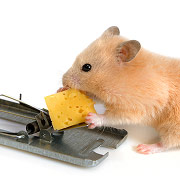
Repellents are also used to protect wiring and materials from rat damage. For example, cycloheximide (CHI) works by exploiting the rat's tendency to avoid anything that previously caused an unpleasant sensation — in this case, an unpalatable taste.
When applied to materials or electrical cables, it can be effective in reducing damage. This approach of "keeping rats away" rather than simply "killing them" is an important element of a comprehensive pest control strategy.
Summary: Rat Control in Pig Farms Requires a Broad Strategy, Not a Spot Fix
Addressing rat problems in pig farms cannot be achieved through one-off responses or temporary extermination efforts.
What is needed is a comprehensive, strategic approach that takes into account rat species and behavior, reproductive capacity, farm structure, seasonality, and the limitations of conventional methods.
In the next article, we will introduce the principles behind rat prevention and the specific effectiveness of "Rat Repellent Device Z."